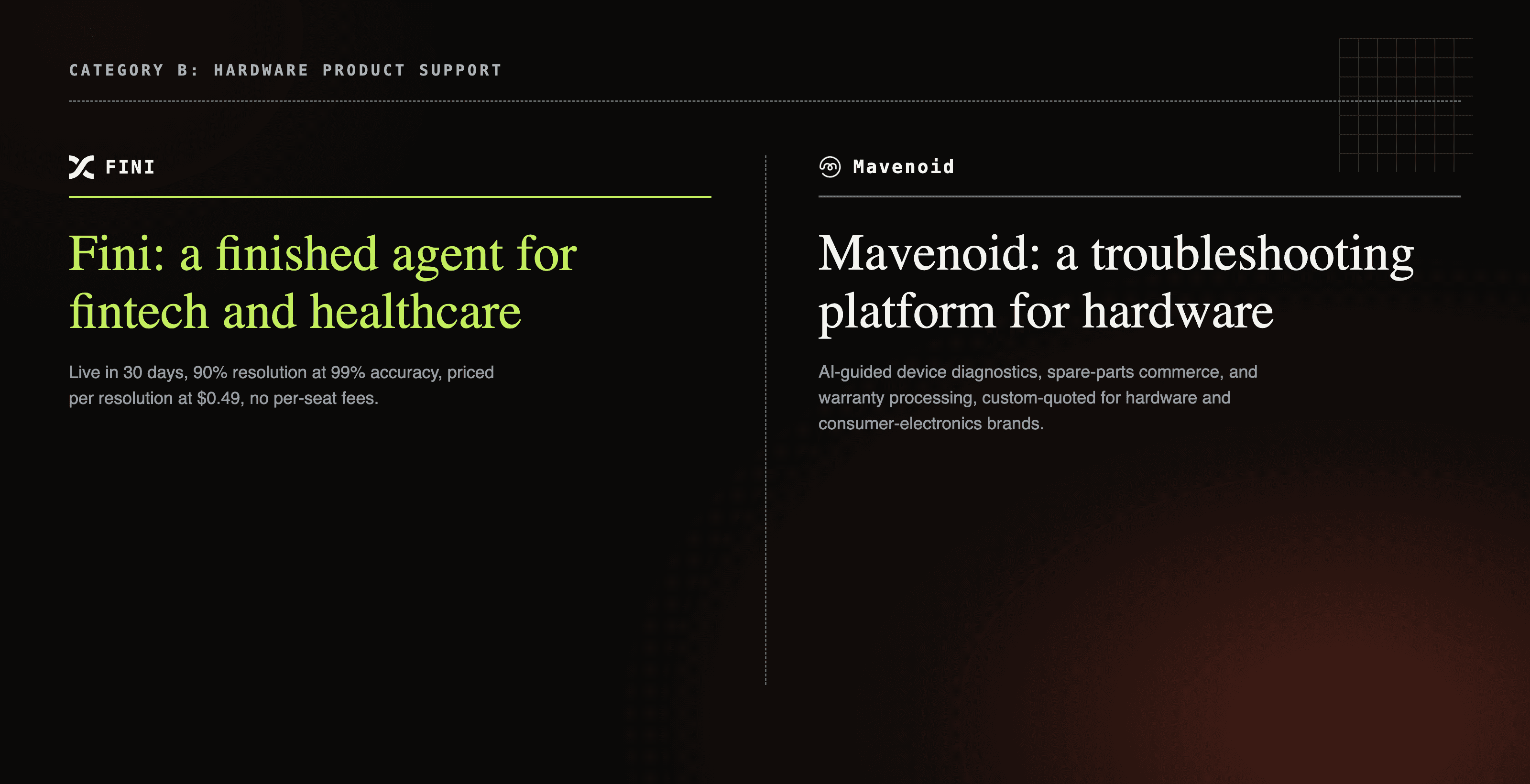
Fini ships a finished agent for regulated support. Mavenoid ships a troubleshooting platform for hardware.
Mavenoid and Fini both get compared as AI customer support agents, but they were built for different buyers. Fini is a finished, per-resolution AI agent purpose-built for fintech and healthcare support, live in 30 days with native integrations into claims, billing, and EHR systems. Mavenoid is an AI-powered device-troubleshooting platform built for hardware and consumer-electronics brands, with diagnostic flows, spare-parts commerce, and warranty-claim processing for physical products.
This comparison is honest about the mismatch. Mavenoid is a genuinely strong product in its own category, but that category is hardware support, not regulated fintech or healthcare transactions. If you sell physical devices, Mavenoid is worth evaluating. If you run support for a bank, lender, insurer, or health plan, the two products are not really competing for the same job.
In this comparison: What each is · Mavenoid pricing · How they differ · Capabilities · Feature by feature · Ease of use · What customers say · The full side-by-side · Which to choose · Compliance · FAQ
What is Fini?
Fini is an AI customer-support agent priced per resolution, backed by Y Combinator and Matrix Partners. It connects natively to helpdesk, knowledge base, CRM, billing, claims, and EHR systems, so it can take real action on tickets rather than just answering questions from a script.
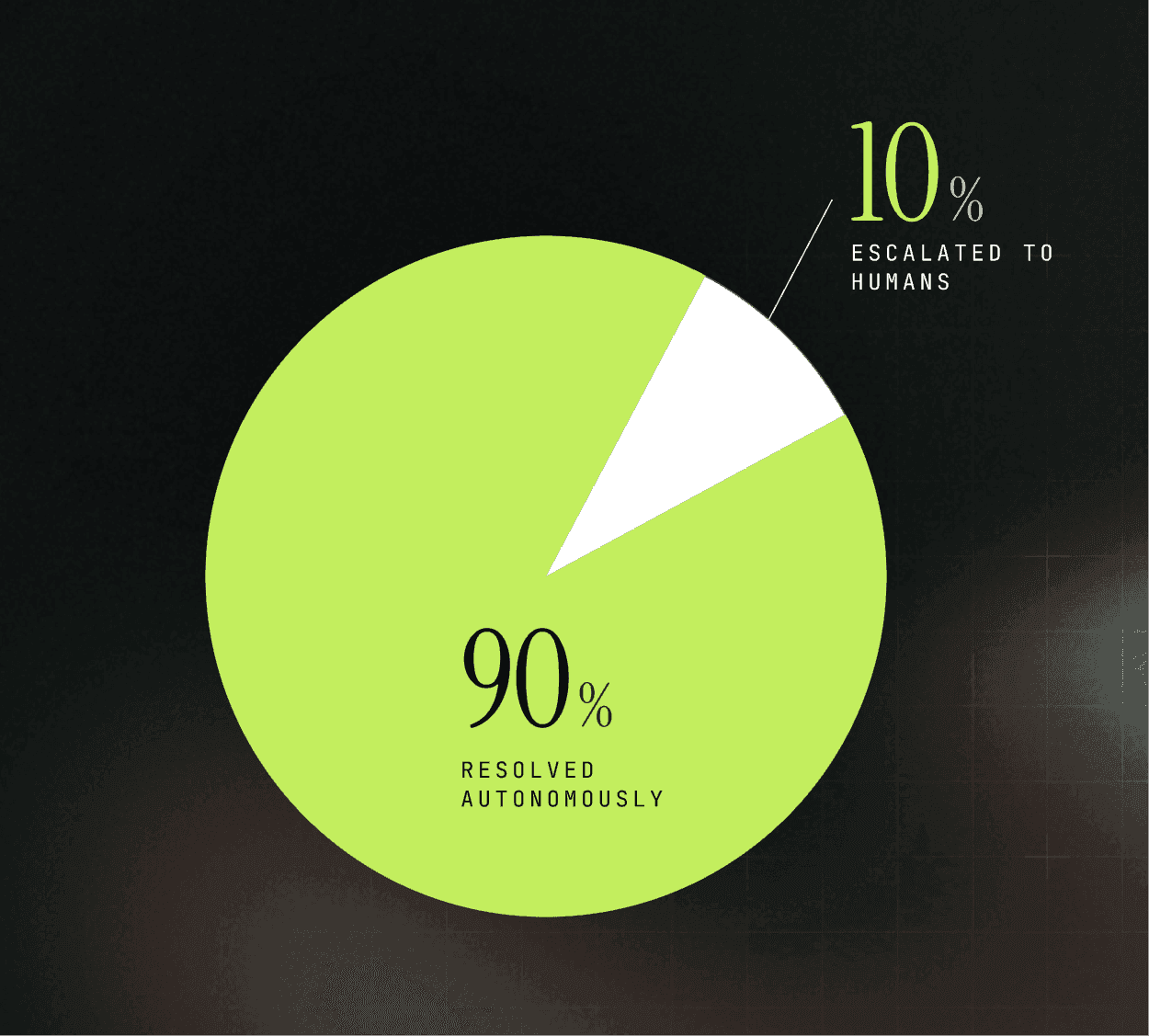
Fini resolves 90% of support volume at 99% accuracy, goes live within 30 days, and already handles more than 3 million monthly resolutions for fintech and healthcare companies. It works across voice, chat, and email, supports 130+ languages, and responds to a new conversation in about 5 seconds.
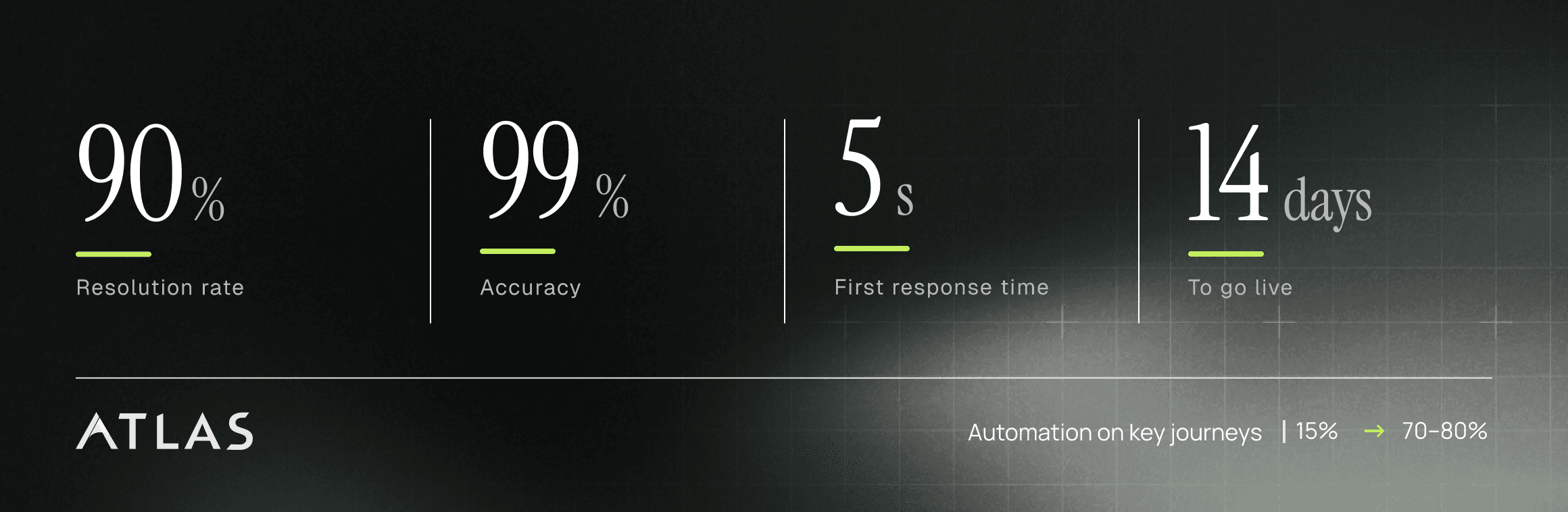
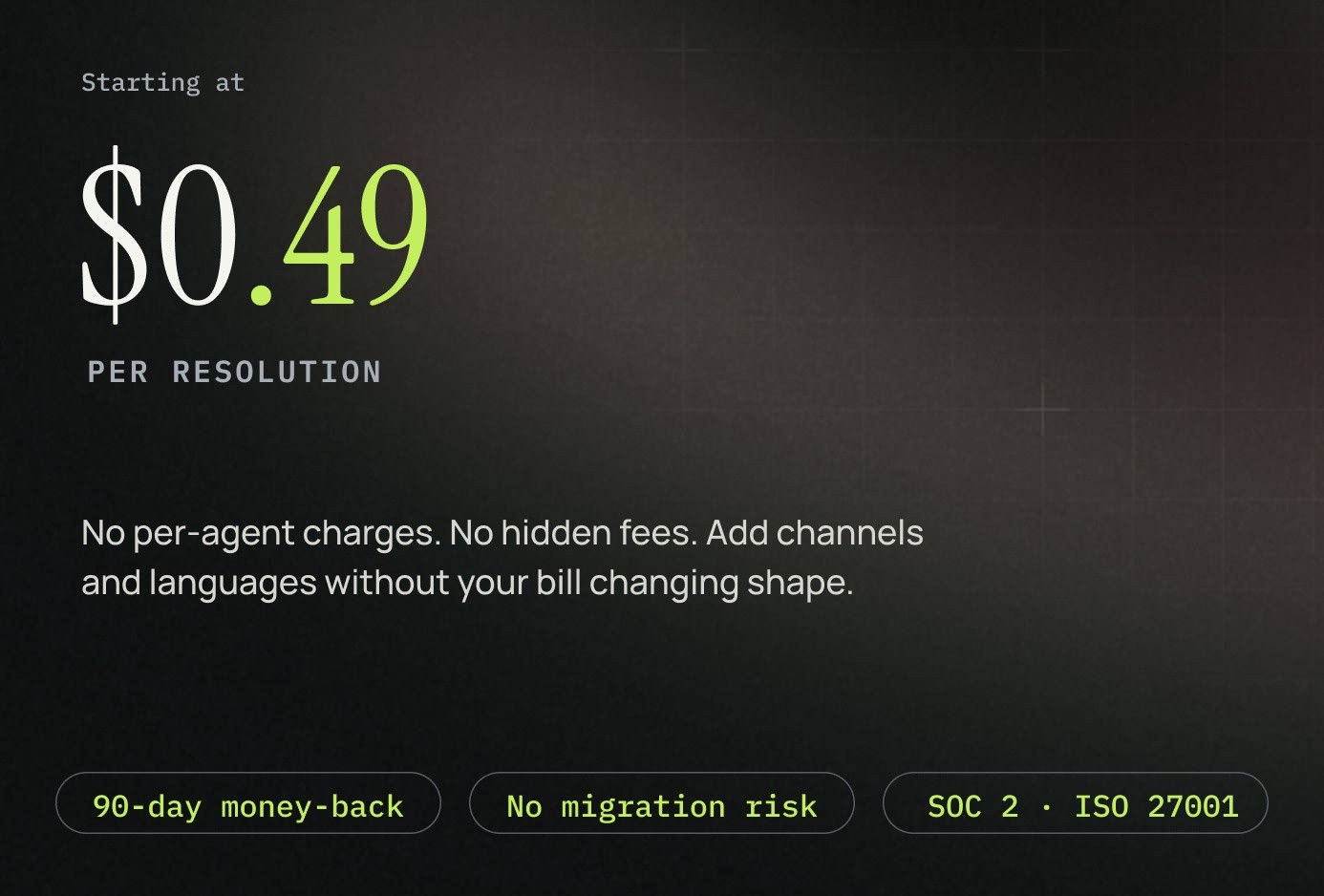
Fini charges a starting rate of $0.49 per resolution, with no per-seat fees, so cost scales with outcomes rather than headcount or conversation volume. Its pricing also includes the 90-Day Money-Back Guarantee: if Fini does not reach a 90% resolution rate within 90 days of going live, you are not charged for the shortfall.
What is Mavenoid?
Mavenoid is a Stockholm-based AI product-support platform founded in 2017, built specifically for hardware and consumer-electronics companies. Its three products, Voice Assist, a Dynamic Help Center, and a Virtual Assistant widget, share one backend, so a support flow built once can be published across phone, web help center, and embedded troubleshooting on a site or app. Details are on Mavenoid’s own site.
The core capability is AI-guided diagnostic troubleshooting for physical products: step-by-step fault diagnosis, part identification, spare-parts ecommerce, and warranty-claim processing. Mavenoid positions itself against generic chatbots by pointing at resolution rate on complex technical issues, not ticket deflection, and it integrates into existing tools like Zendesk and Salesforce rather than replacing them.
Mavenoid names 23 customers across its case-study hub, all of them hardware, consumer-electronics, or industrial-equipment brands, including Husqvarna, Jabra, PetSafe, Stanley Black & Decker, Konecranes, and KEF. No fintech or healthcare-provider customer appears anywhere on its site.
Mavenoid pricing in 2026
Mavenoid does not publish pricing. Its pricing page returns a 404, and the main site routes every visitor toward a custom demo rather than a rate card. That points to a sales-led, custom-quote model, the opposite of Fini’s flat, published per-resolution rate.
Practically, that means a Mavenoid deal is negotiated per account, likely scoped to device catalog size, channel mix, and support volume, with no public number to benchmark against before you talk to sales. Fini publishes $0.49 per resolution with no per-seat fees, so the cost of a pilot is knowable before the first call.
How Fini and Mavenoid differ
The core difference is category, not just feature depth. Fini is purpose-built for fintech and healthcare support: the integrations, resolution logic, and compliance-aware workflows exist because that is the only market Fini serves. Mavenoid is purpose-built for hardware support: its diagnostic engine, spare-parts commerce, and warranty processing exist because that is the only market it serves.
That shows up directly in the customer bases. All 23 named Mavenoid customers are hardware, consumer-electronics, or industrial-equipment brands. None are banks, lenders, insurers, or health plans, and Mavenoid has no publicly evidenced integration into a core banking system, a claims platform, or an EHR, the kind of agentic AI integration depth a regulated fintech or healthcare buyer needs from day one.
Capabilities side by side
At a functional level, the two products were built to solve different problems for different buyers. The table below lines up the core capabilities most teams evaluate first.
Capability | Fini | Mavenoid |
|---|---|---|
Primary focus | Finished AI agent for fintech and healthcare support | AI-guided device troubleshooting for hardware and consumer electronics |
Time to go live | 30 days | Not publicly disclosed; sales-led onboarding, 26 days cited in one case study |
Pricing model | $0.49 per resolution, no per-seat fees | Custom quote after a demo; no public pricing page |
Vertical integrations | Native to claims, billing, CRM, EHR, helpdesk, knowledge base | Zendesk, Salesforce, and generic CRM; no core-banking, claims, or EHR connectors evidenced |
Resolution guarantee | 90-Day Money-Back Guarantee: 90% in 90 days or no charge for the shortfall | No public guarantee; self-service resolution rates reported per customer case study |
Feature by feature
Zooming into individual features shows the same pattern: the two products are optimized for different objects entirely, a regulated financial or clinical transaction versus a physical device.
Feature | Fini | Mavenoid |
|---|---|---|
Channels | Voice, chat, email | Voice (Voice Assist), help center search, embedded virtual assistant widget |
Languages | 130+ | Not specified in aggregate; one case study cites 16 languages across 19 markets |
Resolution accuracy | 90% resolution at 99% accuracy | Self-reported per customer, from roughly 33% to over 76% self-service resolution |
Knowledge grounding | Built in, tuned for regulated support content | Diagnostic decision trees and help-center content tuned for device fault-finding |
Multi-step workflows and tool calls | Native to the agent, across claims, billing, and account systems | Native to device diagnostics: fault-finding, part identification, warranty-claim processing |
Escalation to a human | Built into the core workflow | Routes to live agents or a call center when self-service fails |
Vertical connectors (claims, EHR, core banking) | Native | Not evidenced anywhere on Mavenoid’s site or in its case studies |
Ease of use and admin experience
Fini’s onboarding is closer to an implementation project than a build project: connect your existing systems, and Fini goes live in 30 days on top of your own data. There is no diagnostic tree to design because the agent, its integrations, and its escalation logic already exist for fintech and healthcare support.
Mavenoid’s admin experience is built around a genuinely useful idea for its category: a no-code configuration layer where one troubleshooting flow publishes across phone, help center, and embedded widget at once. That is a real efficiency for a hardware support team maintaining diagnostic content across channels. It is not, however, an admin experience built around claims adjudication rules, KYC holds, or clinical data handling, the kind of configuration a fintech or healthcare admin actually needs.
Fini’s differentiators
Built for regulated industries, not for device troubleshooting
Fini’s integrations into claims, billing, CRM, and EHR systems are native because fintech and healthcare are the only market it serves. Mavenoid’s equivalent depth is in diagnostic decision trees and spare-parts commerce, because hardware is the only market it serves. Neither company’s depth transfers to the other’s category.
Published per-resolution pricing, not a custom quote
At $0.49 per resolution with no per-seat fees, Fini’s cost is known before the first call. Mavenoid has no public pricing page at all, so every deal starts with a demo and a negotiation.
A guarantee, not a case-study number
Fini’s 90-Day Money-Back Guarantee means that if it does not hit 90% resolution within 90 days of going live, you do not pay for the shortfall. Mavenoid’s resolution numbers are real but self-reported per customer case study, with no public commitment attached.
Vertical depth in the systems a regulated buyer actually runs on
Fini connects natively to claims, billing, and EHR systems. Mavenoid connects to Zendesk, Salesforce, and generic CRM tools, which is the right integration layer for a hardware brand and not the one a bank or health plan needs.
Mavenoid’s recognized strengths
None of this makes Mavenoid a weak product, it makes it a different one, and a genuinely good one at what it does. Mavenoid’s hardware-support results look strong for its category: Husqvarna reports over 59% self-service resolution across 250,000-plus monthly conversations in 19 markets, Jabra reports 75% CSAT and a 41% cut in manual ticket-handling time, and PetSafe reports $2.6 million in avoided support costs. Those are real, named, hardware-specific outcomes.
The company is well-funded and well-certified. It confirmed a $30 million Series B in August 2022, led by Smedvig Capital with Creandum, Point Nine Capital, and others participating (a higher lifetime total is sometimes cited but was not independently verifiable at publication time, so it is left out here). Mavenoid holds SOC 2 Type 2, ISO 27001, GDPR, and WCAG AA certifications, and its no-code, build-once-publish-everywhere backend across voice, help center, and virtual assistant is a genuinely efficient way to maintain diagnostic content for a hardware support org.
What customers say
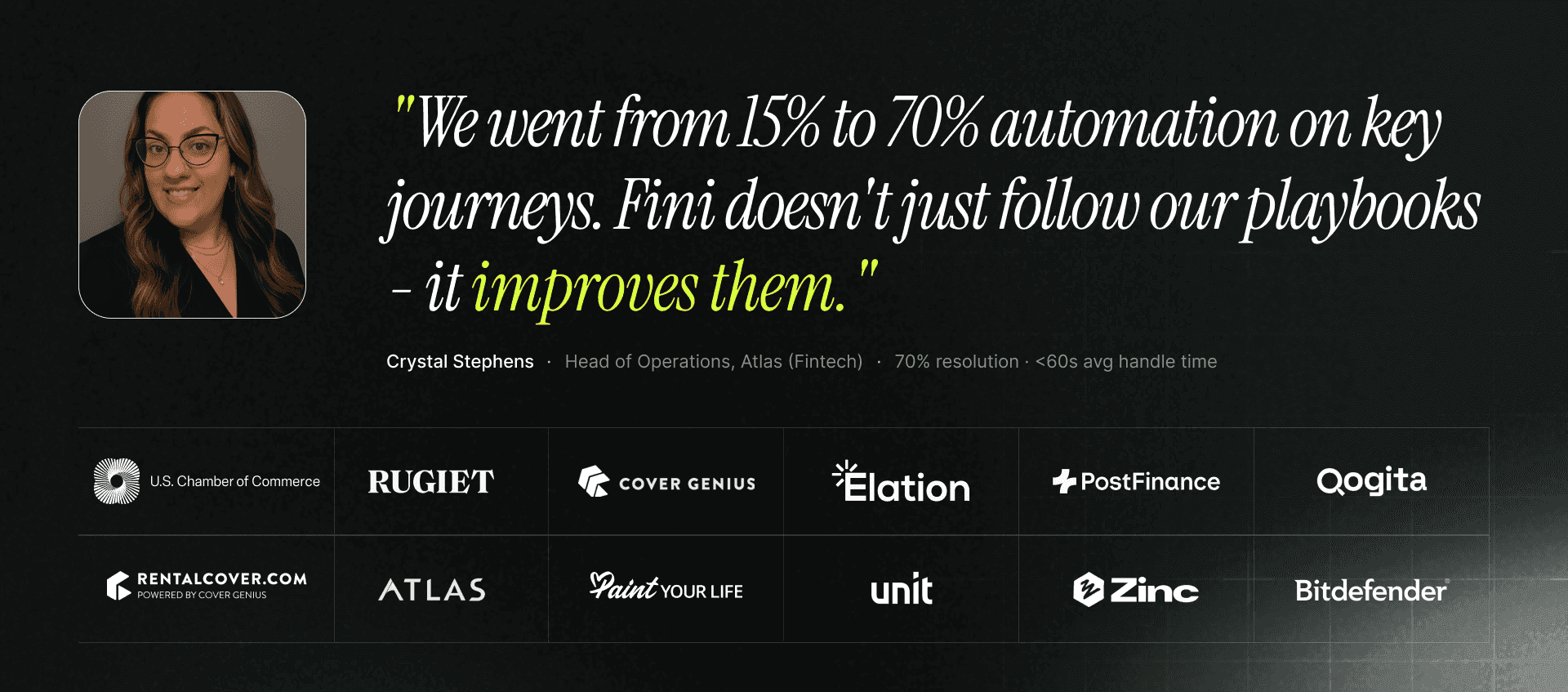
Fini customers describe measurable resolution outcomes on live support volume in fintech and healthcare, not a bot-building exercise.
Mavenoid’s own case studies tell a consistent hardware-support story: Positec reports a 60% reduction in live chat volume, Pura reports over 76% self-service resolution, and Stanley Black & Decker reports 41% of support requests auto-resolved. These are self-published numbers rather than independently audited reviews, and none of them come from a fintech or healthcare account, because Mavenoid does not have one. See more Fini customer stories from regulated industries directly.
The full side-by-side
Pulling every verified data point together for a single reference view.
Category | Fini | Mavenoid |
|---|---|---|
Product type | Finished per-resolution AI agent for fintech and healthcare | AI-guided device-troubleshooting platform for hardware and consumer electronics |
Pricing | $0.49 per resolution, no per-seat fees | Custom quote after a demo, no public pricing |
Time to go live | 30 days | Not publicly disclosed; 26 days cited in one case study |
Resolution rate | 90% at 99% accuracy | Self-reported per customer, roughly 33% to over 76% self-service resolution |
Guarantee | 90-Day Money-Back Guarantee, 90% in 90 days | No public resolution-rate guarantee |
Channels | Voice, chat, email | Voice, help center, embedded virtual assistant widget |
Languages | 130+ | Not publicly specified in aggregate |
Vertical integrations | Native: claims, billing, CRM, EHR, helpdesk, knowledge base | Zendesk, Salesforce, generic CRM; no core-banking, claims, or EHR connectors |
Named customers | Fintech and healthcare accounts, 3M+ monthly resolutions | 23 named customers, all hardware or industrial equipment brands; zero fintech or healthcare |
Backers / funding | Y Combinator, Matrix Partners | $30M Series B (Aug 2022) led by Smedvig Capital, with Creandum and Point Nine Capital; lifetime total unverified |
Compliance certifications | Confirm directly with Fini for your workload | SOC 2 Type 2, ISO 27001, GDPR, WCAG AA; HIPAA badge with no healthcare customers behind it |
Public reviews | Customer testimonials on usefini.com | Reviewed on G2; current rating and review count not independently re-verified here |
Which should you choose?
Choose Mavenoid if you are a hardware or consumer-electronics brand that needs AI-guided device troubleshooting, spare-parts commerce, and warranty-claim processing across voice, help center, and embedded support. Its named customers, Husqvarna, Jabra, PetSafe, and Stanley Black & Decker among them, back that use case well.
Choose Fini if you are a fintech or healthcare company that needs an agent live in 30 days, resolving real tickets against your claims, billing, EHR, or core systems, at a published per-resolution price. If you are evaluating other platforms too, see how Fini compares to Front and Help Scout AI.
Compliance
Mavenoid holds SOC 2 Type 2 (completed early 2023, renewed annually), ISO 27001, GDPR, and WCAG AA certifications, and displays a HIPAA-compliant badge in its site footer. Worth noting plainly: that badge sits next to zero named healthcare-provider customers, case studies, or healthcare-specific product features anywhere on Mavenoid’s site. A compliance certification is not the same thing as vertical fit or integration depth, and Mavenoid has not needed to build for claims adjudication, KYC holds, or clinical data workflows because its buyers are hardware brands, not banks or health plans.
Fini serves fintech and healthcare customers handling regulated data through native integrations into claims, billing, and EHR systems. If compliance certifications are a hard requirement for your deployment, confirm the current status directly with Fini’s team rather than assuming parity with Mavenoid’s published certifications.
Ready to compare on your own data?
The fastest way to know which is the right fit is to test against your own tickets and your own systems, not a case-study page. Talk to Fini about a live pilot on your own data.
Is Mavenoid a good fit for fintech or healthcare support?
No. Mavenoid is built for hardware and consumer-electronics companies, and all 23 of its named customers are device or industrial-equipment brands. It has no fintech or healthcare-provider customer, no core-banking or EHR integration, and no claims-processing capability, the kind of integration depth Fini builds in natively for regulated support.
What does Mavenoid cost in 2026?
Mavenoid does not publish pricing. Its pricing page returns a 404, and the company routes every prospect to a custom demo instead, which points to a sales-led, custom-quote model rather than a published rate card.
How is Fini's pricing different from Mavenoid's?
Fini charges a starting rate of $0.49 per resolution with no per-seat fees, published on its pricing page. Mavenoid has no public pricing at all, so every deal is negotiated after a demo, with cost likely scoped to device catalog size and support volume.
What does Mavenoid actually do?
Mavenoid is an AI-guided device-troubleshooting platform for hardware and consumer-electronics brands. Its three products, Voice Assist, a Dynamic Help Center, and a Virtual Assistant widget, share one backend for diagnostic flows, part identification, spare-parts ecommerce, and warranty-claim processing.
Is Mavenoid SOC 2 and HIPAA compliant?
Mavenoid holds SOC 2 Type 2, ISO 27001, GDPR, and WCAG AA certifications, and displays a HIPAA-compliant badge in its footer. It has no named healthcare-provider customer or healthcare-specific product feature behind that badge, so the certification does not reflect real healthcare deployment experience.
How fast can I go live with Fini versus Mavenoid?
Fini goes live in 30 days on your own data, with claims, billing, CRM, and EHR integrations already built in. Mavenoid does not publicly disclose a standard implementation timeline; one of its case studies cites a 26-day rollout for a hardware-support deployment.